What to Expect from a Garden Maintenance Plan in NYC
/Quick Answer: A professional garden maintenance plan in NYC typically includes seasonal plantings, pruning, weeding, fertilizing, pest monitoring, and irrigation checks, delivered on a recurring visit schedule (usually biweekly or monthly depending on the space and season). Cost depends on square footage, plant density, and visit frequency, but the value is in catching small problems (a struggling plant, a clogged drip line) before they become expensive replacements.
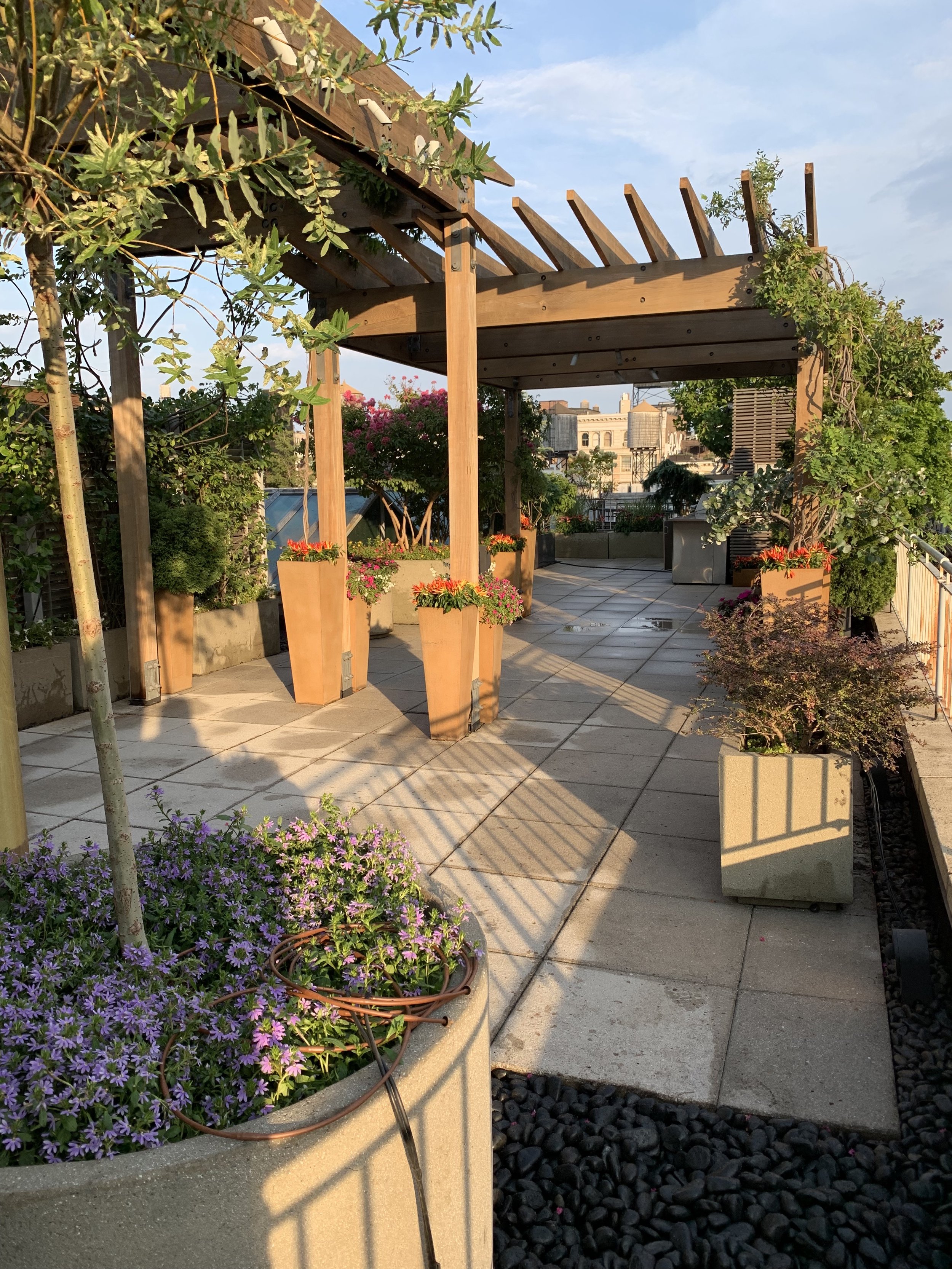
Once a rooftop, terrace, or garden is installed, the question we hear most is what happens next. A maintenance plan is where the investment in a well-designed outdoor space actually gets protected, and yet it's the part people understand least going in. Here's what a typical plan includes.
What a Standard Visit Covers
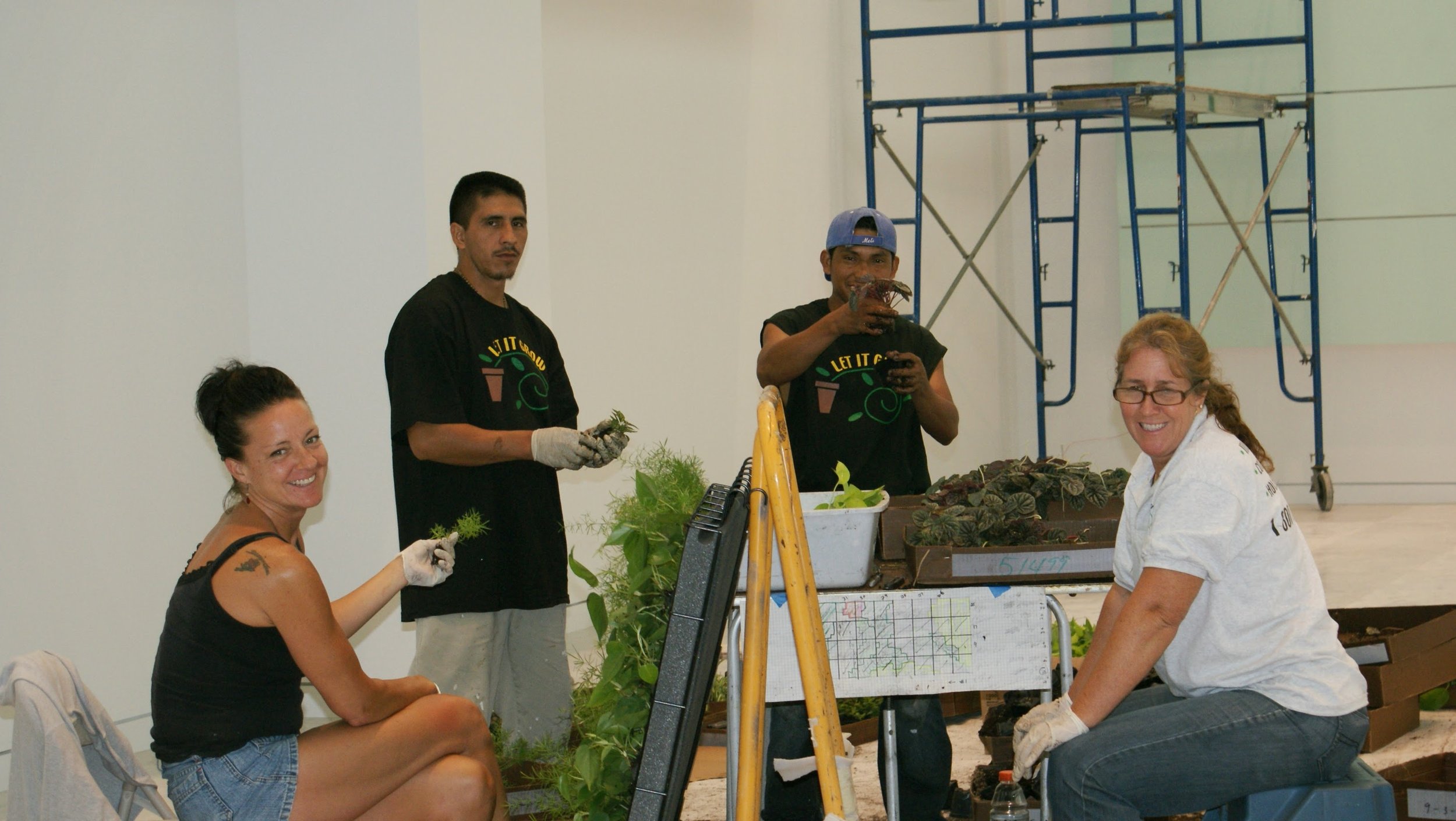
A typical maintenance visit includes deadheading and pruning to keep plants shaped and healthy, weeding, checking soil moisture and irrigation function, monitoring for pests or disease before they spread, and general tidying of the space. Depending on the season, a visit might also include fertilizing, mulching, or preparing containers for a seasonal planting swap. The specifics shift throughout the year, which is part of why a maintenance plan looks different in July than it does in November.
How Often Visits Happen
Visit frequency depends on the density and complexity of the planting as much as the size of the space. A rooftop with mostly containers and a simpler plant palette might do well on a monthly schedule, while a densely planted terrace or a space with a lot of seasonal color usually needs biweekly visits during the growing season to stay ahead of weeding and deadheading. Commercial properties and building common areas often move to weekly visits during peak season since the bar for how the space looks is generally higher and more visible.
What a Year of Maintenance Looks Like
Exact tasks vary by property, but a typical NYC maintenance year follows a rhythm like this:
Spring (March to May): winter cleanup, pruning, soil top-ups and fertilizing, irrigation startup, and the spring planting changeout.
Summer (June to August): the most frequent visits, focused on deadheading, weeding, pest monitoring, and keeping irrigation running through heat waves.
Fall (September to November): the fall changeout, cutting back spent perennials, bulb planting, and shutting down irrigation before the first hard freeze.
Winter (December to February): fewer visits, focused on winter or holiday plantings, checking wraps and protection, and watering container evergreens during thaws.
When comparing plans, ask which of these are included in the base price and which are billed separately, such as plant material, holiday installations, or irrigation repairs.
Seasonal Plantings Are Often Included
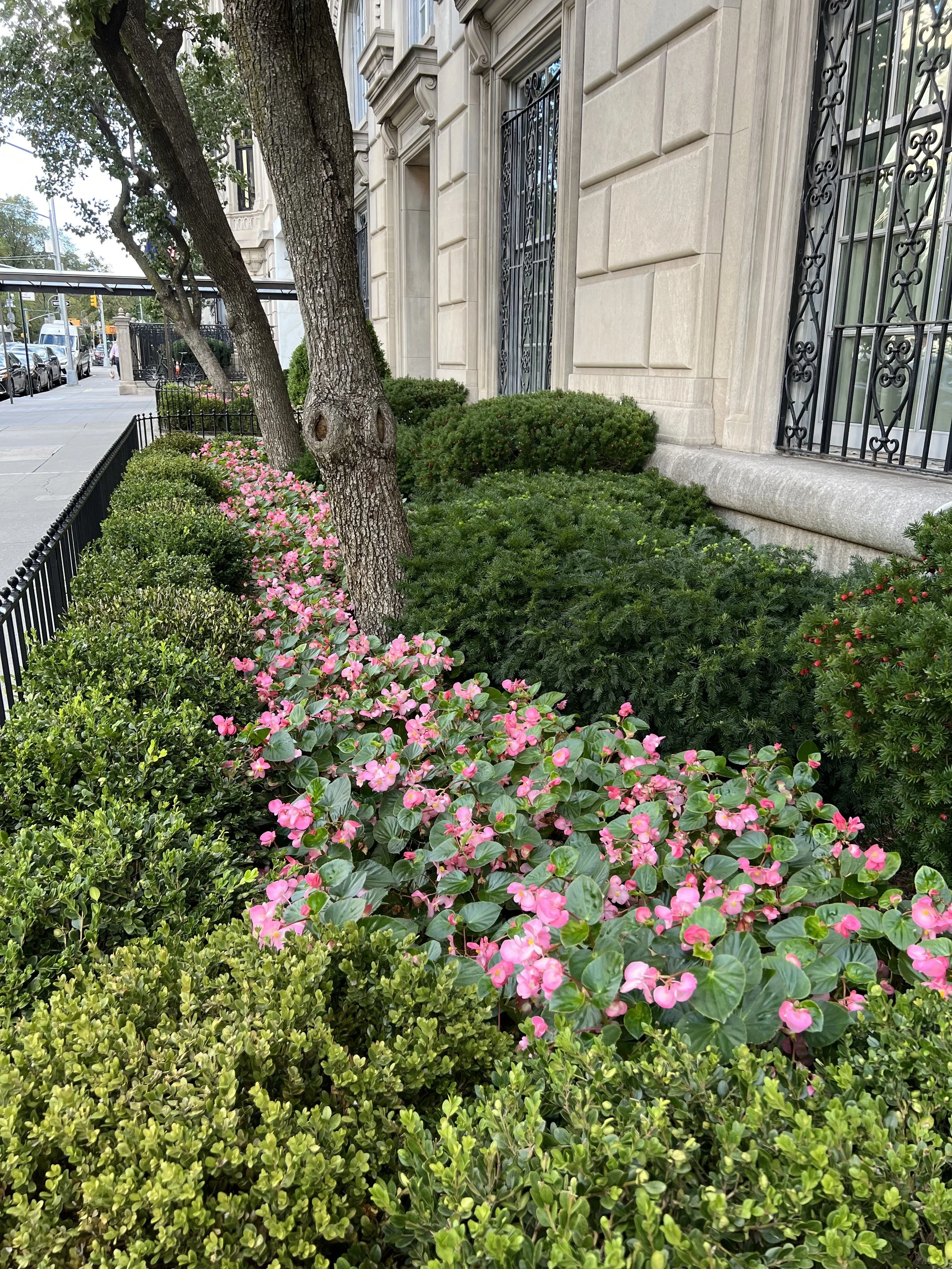
Many maintenance plans include seasonal planting changeouts, typically spring, summer, fall, and a winter or holiday installation, so the space stays visually current throughout the year rather than looking the same in December as it did in June. This is often priced as part of the plan rather than as a separate line item, though the plant material itself may be billed separately depending on how elaborate the seasonal display is. For what typically goes into the fall changeout, see the best fall plants for NYC terraces and window boxes.
Irrigation Checks Matter More Than People Expect
Drip irrigation systems, common on NYC rooftops and terraces, are reliable but not maintenance-free. A dislodged emitter or a clogged line can go unnoticed for weeks in a space that isn't checked regularly, and by the time a plant visibly wilts, the damage may already be done. Routine irrigation checks during maintenance visits catch these issues early. For more on how these systems work, see how drip irrigation works in a NYC rooftop or terrace garden.
What Drives the Cost
Maintenance plan pricing scales with square footage, the density and variety of plantings, visit frequency, and whether the space includes higher-maintenance elements like a lawn area, water feature, or extensive container plantings. A simple terrace with a handful of large containers costs meaningfully less to maintain than a densely planted rooftop garden with dozens of plant varieties, since more variety generally means more specialized care. We talk through the installation side of this cost question in how much does a rooftop garden cost in NYC.
Why Maintenance Protects the Original Investment
A well-designed rooftop or terrace garden represents a real investment, and the plants themselves are living assets that decline without consistent care. Plants that go without regular care in the first year after installation are the most likely to struggle, and replacing them outright can cost more than routine care would have. We cover the broader value case for investing in outdoor space in why NYC homeowners are investing in outdoor spaces.
Residential vs. Commercial Maintenance Plans
Commercial properties (building lobbies, common roof decks, courtyard plantings) generally require more frequent visits and a higher standard of presentation than a private residential terrace, since the space reflects on the building or business rather than a single household. Our commercial landscape maintenance plans are structured around that difference, with scheduling built to keep shared spaces consistently presentable.
Ready to Set Up a Maintenance Plan?
Our garden maintenance plans are tailored to the size and complexity of your space. Get in touch and we'd be glad to take a look.