How NYC Building Rules Affect Your Rooftop Garden Design

How NYC Building Rules Affect Your Rooftop Garden Design

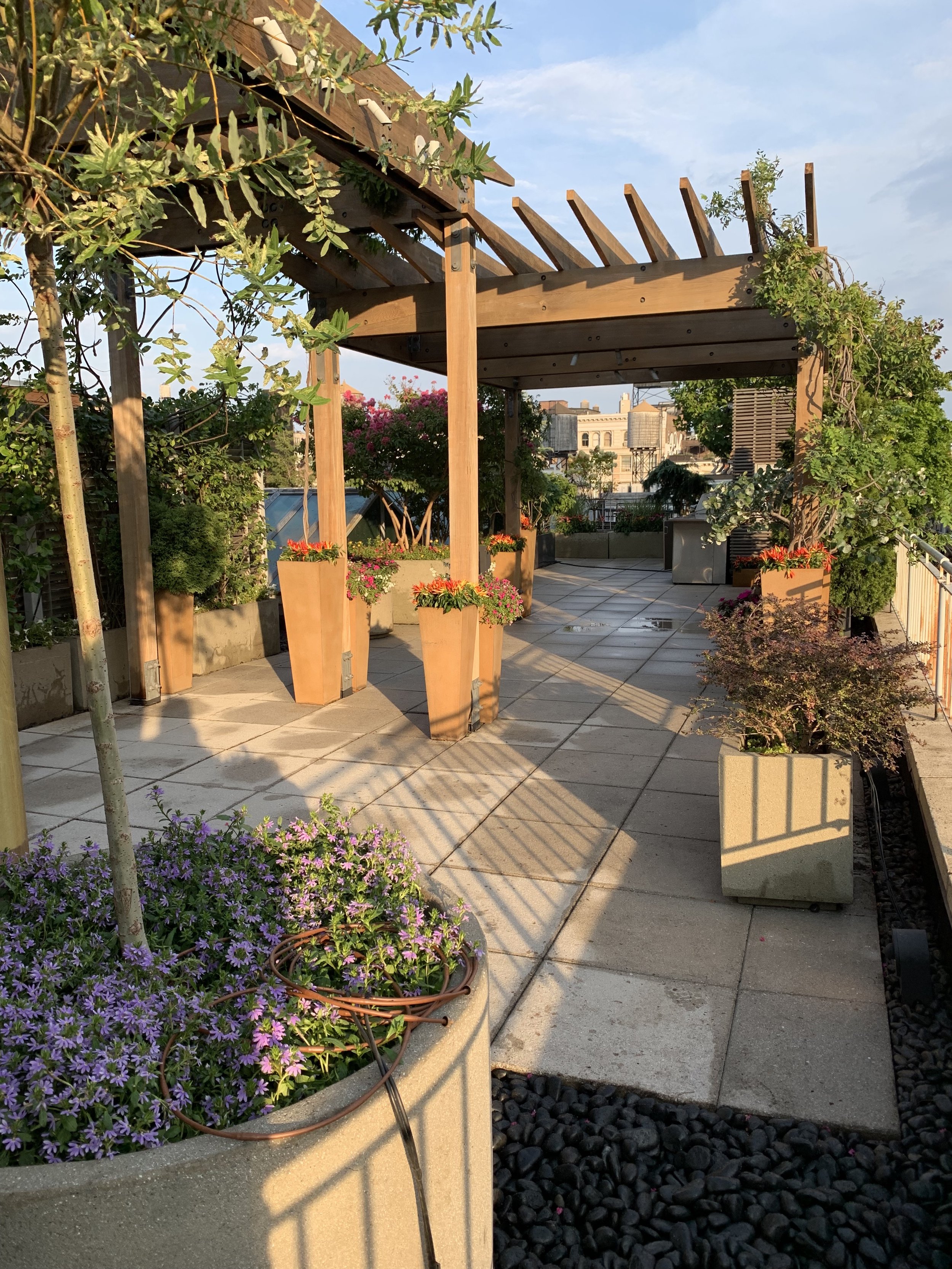
A rooftop garden in NYC has to account for structural load capacity confirmed by an engineer, co-op or condo board approval, DOB permitting for anything beyond simple planters (pergolas, built structures, plumbing or electrical work), and fire code requirements around parapet height and emergency access. Planning around these constraints early avoids redesigns after a board rejects or a permit gets flagged.

Read More

Best Low-Maintenance Plants for Manhattan Terraces

Best Low-Maintenance Plants for Manhattan Terraces

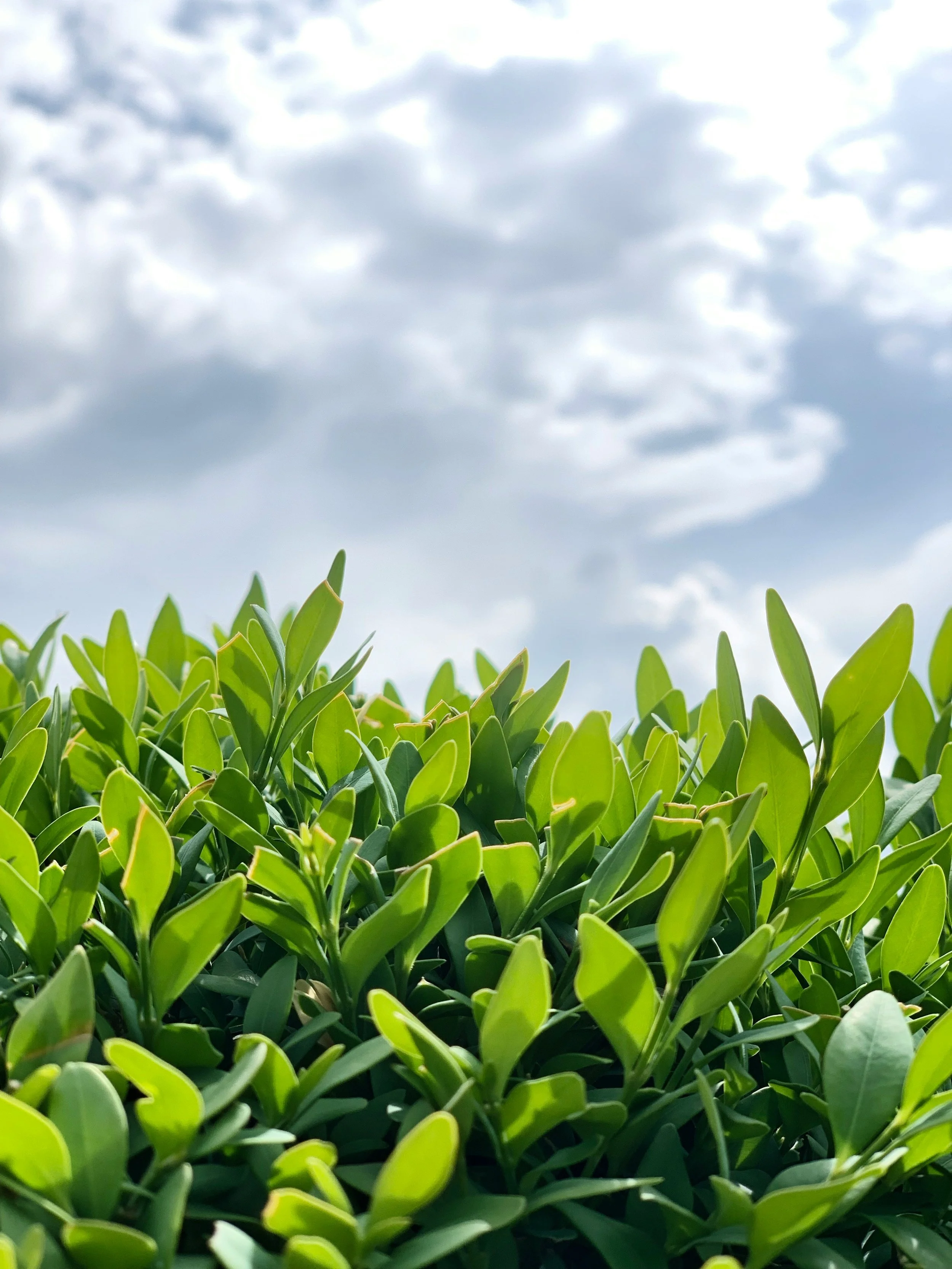
The most reliable low-maintenance plants for a Manhattan terrace are slow-growing evergreens like boxwood, inkberry holly, and mugo pine for year-round structure, paired with drought-tolerant perennials like sedum, Russian sage, and catmint, and self-supporting ornamental grasses like feather reed grass. All of them tolerate inconsistent watering, need minimal pruning, and hold up to wind and reflected heat without constant intervention.

Read More

How Drip Irrigation Works in a NYC Rooftop or Terrace Garden

How Drip Irrigation Works in a NYC Rooftop or Terrace Garden

Drip irrigation delivers water directly to each container through a network of tubing and small emitters, controlled by an automatic timer connected to a water source. It uses far less water than hand-watering or sprinklers, and it's essential for any NYC rooftop or terrace with more than a handful of pots, since containers dry out fast in wind and heat, and a missed watering can kill a plant within days.

Read More

Rooftop Garden vs. Terrace Garden: What's the Difference?

   Rooftop Garden vs. Terrace Garden: What's the Difference?

If you've ever stood on a high-floor outdoor space in New York City and wondered exactly what you're looking at — a rooftop garden? A terrace garden? — you're not alone. The two terms are often used interchangeably, but they're actually quite different in structure, design approach, and what's possible for planting. Understanding that difference is the first step to making the most of your elevated outdoor space.

Read More